BİMD 3D MODEL
LAYİHƏLƏRİNİZİN AĞILLI HƏLLİ

SCAN TO BİM
LAZER ÇƏKİLİŞLƏRİ VƏ BİM MODELLƏRİ
Urban planning
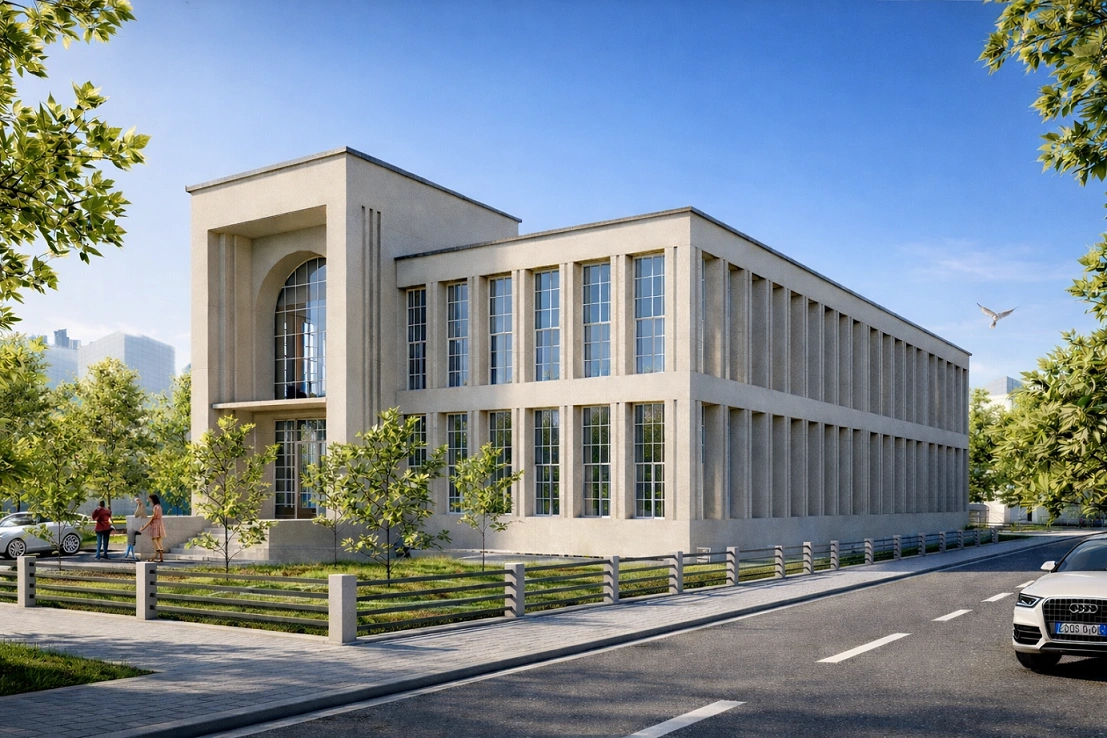
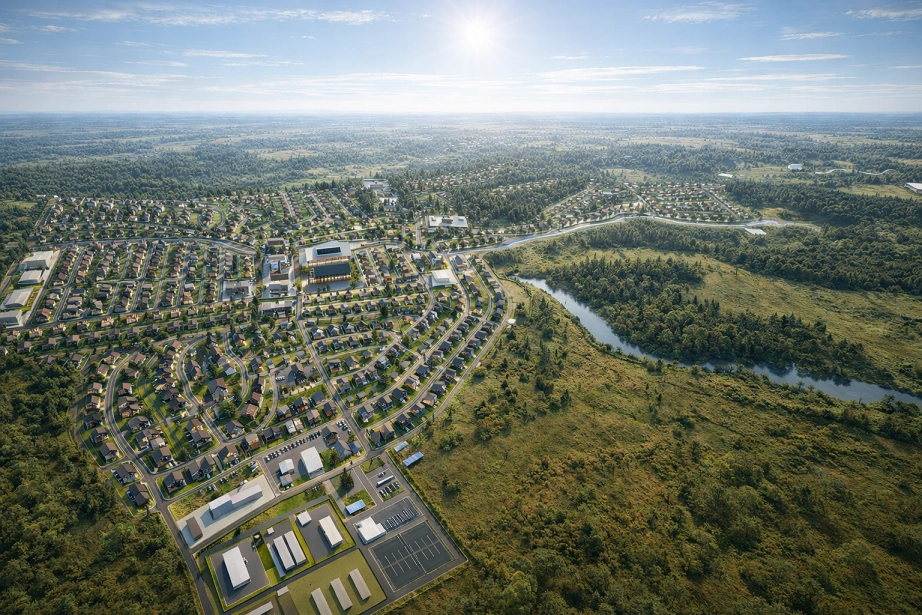
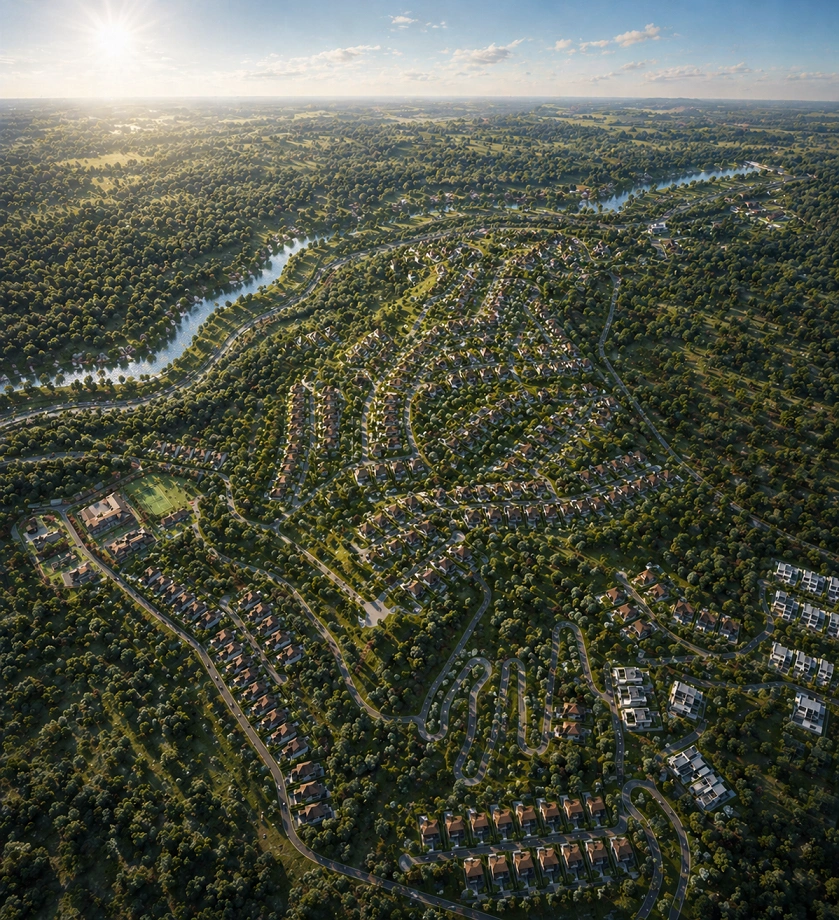
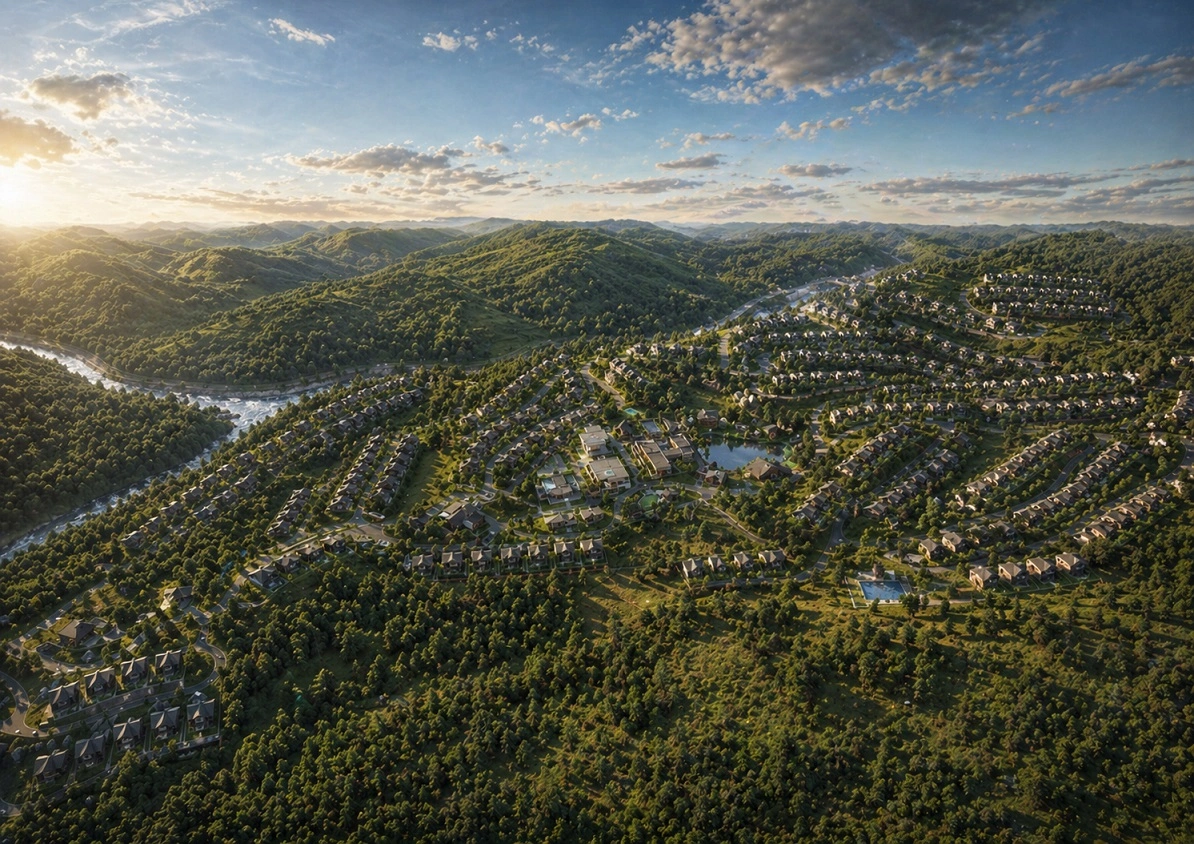
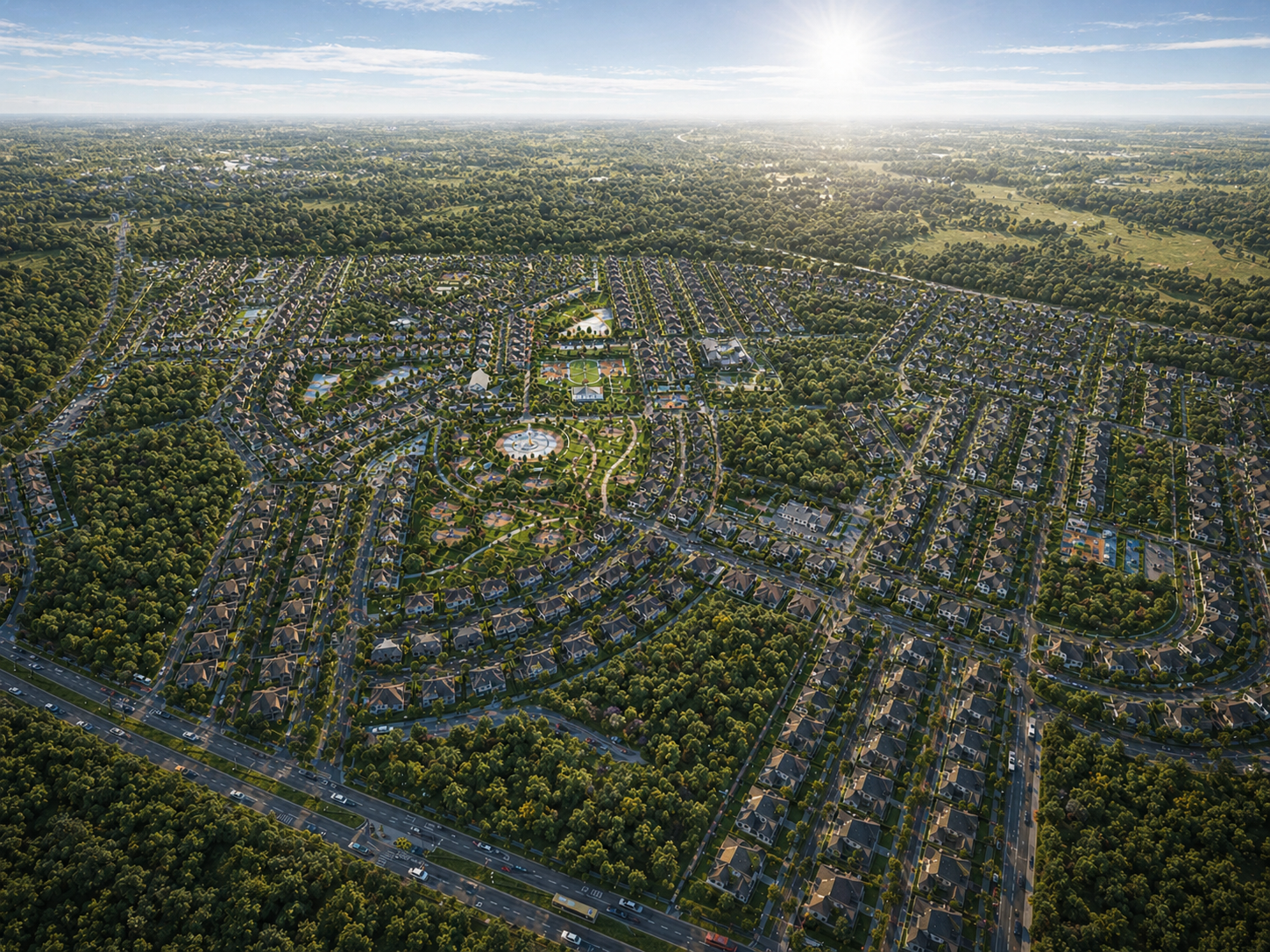
Urban planning, in different parts of the world, is referred to as city and regional planning, regional planning, urbanism, rural planning, urban development, physical planning, urban management, or similar combinations of these terms.
Urban planning is a technical and political process focused on the development and design of land use and the built environment, including transport, communication and distribution networks, as well as air, water, and infrastructure systems in urban areas. Traditionally, urban planning is based on a top-down approach for master planning of the physical layout of settlements. The main focus is placed on efficiency, sanitation, environmental protection and use, as well as public welfare, reflecting the social and economic impact of master plans on activities.
In settlement planning, key social and environmental indicators are given significant importance, with planning focusing on improving human health and well-being while maintaining sustainability standards.
Urban planning addresses questions related to how people live, work, and recreate in specific areas, thereby guiding the orderly development of urban, suburban, and rural regions. While urban planners primarily deal with settlement and community planning, they are also responsible for planning the efficient transportation of goods, resources, people, and waste; the distribution of essential services such as water and electricity; creating a sense of belonging and opportunities for all social groups, cultures, and needs; supporting economic growth and business development; improving public health; and protecting areas of ecological importance as well as historical monuments and the built environment.
Urban planning is a dynamic field, as patterns of how people live, work, and spend leisure time change over time. These changes are continuously reflected in planning methodologies, zoning regulations, and policies, making it a highly technical, political, social, economic, and environmental discipline.




.jpeg)