BİMD 3D MODEL
LAYİHƏLƏRİNİZİN AĞILLI HƏLLİ

SCAN TO BİM
LAZER ÇƏKİLİŞLƏRİ VƏ BİM MODELLƏRİ
BİM
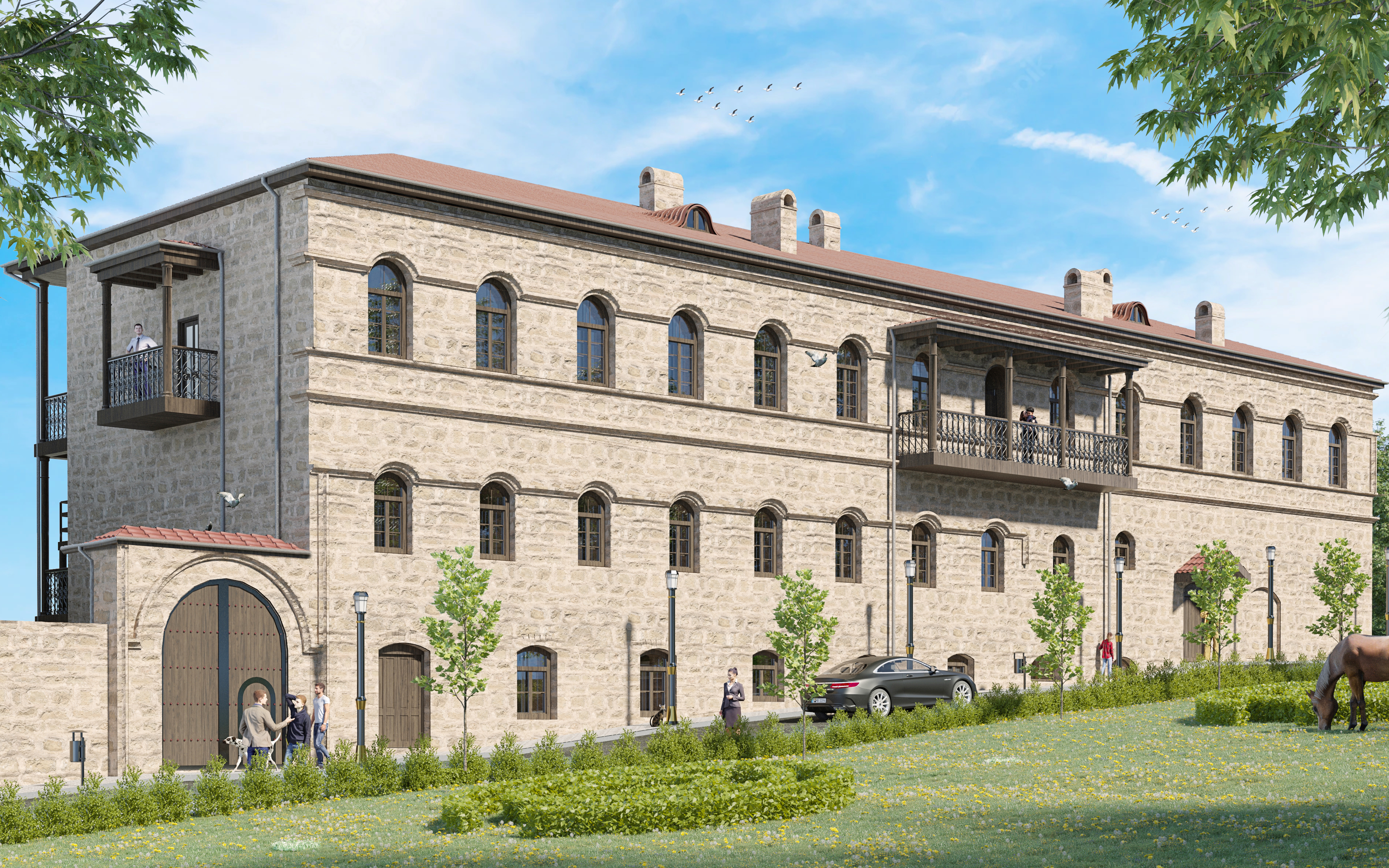
BIM (Building Information Model – Building Information Modeling) is a digital representation of the physical and functional characteristics of a construction object, extending far beyond a simple geometric description of a building. BIM technology allows consideration of numerous factors and data, including the object itself, its individual elements, spatial characteristics, design information, environmental impact, and the impact of the environment on the object.
All this information, together with technical-economic indicators and other characteristics of the facility, forms an integrated data model in which a change in one parameter automatically triggers recalculation of all others.
BIM is a comprehensive information resource about a facility, existing throughout its entire lifecycle—from the initial concept to demolition—and plays a key role in decision-making during all stages of its life cycle. The basis of interaction is the Building Information Model (BIM model), which enables complex collaboration among all parties involved in the project lifecycle. BIM allows the transfer of a virtual information model from the design team (architects, landscape architects, engineers, builders, etc.) to general contractors and subcontractors, and finally to facility owners or managers.



.jpeg)